Vitamin D plays an important role in our overall health. It helps your body absorb calcium, keeps bones strong, supports your immune system, and even boosts mood. But many people today, especially women, suffer from Vitamin D deficiency without even knowing it.
This “sunshine vitamin” is becoming a common issue due to changes in our lifestyle, diet, and daily habits. Let’s understand the causes, symptoms, and how to deal with this modern lifestyle disorder.
What is Vitamin D Deficiency?
Vitamin D deficiency means your body doesn’t have enough vitamin D to stay healthy. Your skin makes vitamin D when it gets sunlight. You can also get it from certain foods and supplements.
If you’re not getting enough sunlight, not eating vitamin D-rich foods, or your body isn’t absorbing it properly, you might develop a deficiency.
Why Is Vitamin D So Important?
Vitamin D helps your body:
- Absorb calcium and phosphorus
- Keep bones and teeth strong
- Support your immune system
- Improve muscle function
- Regulate mood and reduce the risk of depression
Without enough vitamin D, you’re more likely to suffer from bone pain, weakness, or even serious diseases over time
Vitamin D deficiency is now being called a modern lifestyle disorder because it’s linked to how we live today—staying indoors, using sunscreen constantly, and sitting in front of screens all day.
What Causes Vitamin D Deficiency?
Here are common reasons:
1. Lack of Sunlight
Most of us spend too much time indoors—at home, in the office, or at school. Sunlight is the best natural source of vitamin D. Without it, your body can’t make enough of the vitamin.
2. Use of Sunscreen
While sunscreen protects your skin, it also blocks UVB rays needed to make vitamin D. Using too much sunscreen, even on short outdoor trips, can limit vitamin D production.
3. Poor Diet
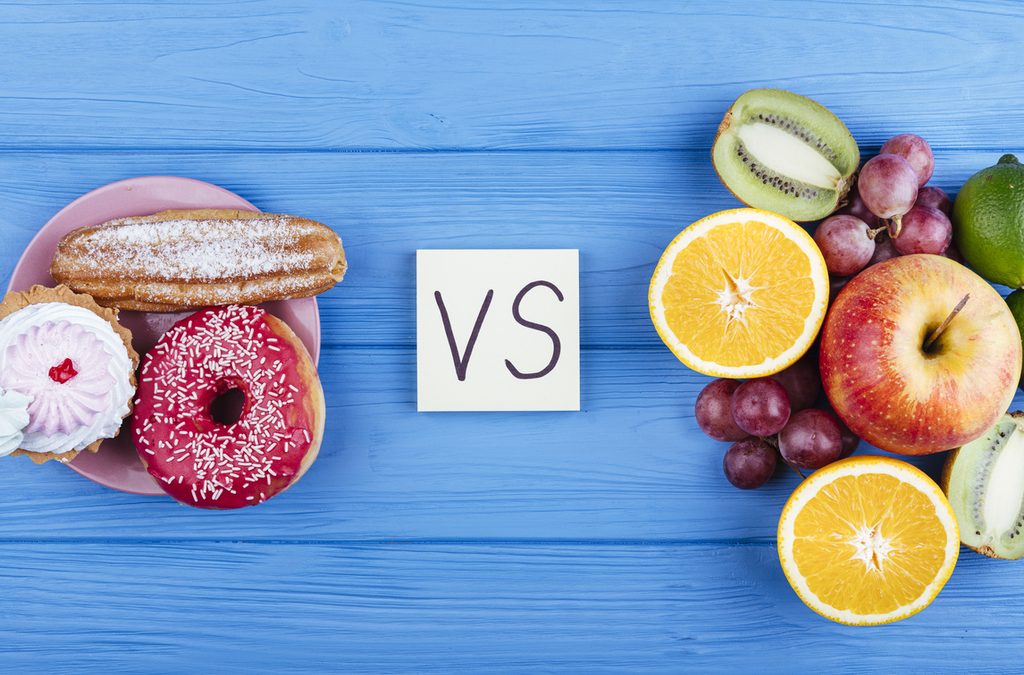
Not eating foods like fish, egg yolks, and fortified milk can lead to low levels of vitamin D. Vegans and vegetarians are more at risk if they don’t eat fortified foods or take supplements.
4. Obesity
Fat cells can store vitamin D and prevent it from being used. This makes overweight individuals more likely to suffer from deficiency.
5. Medical Conditions
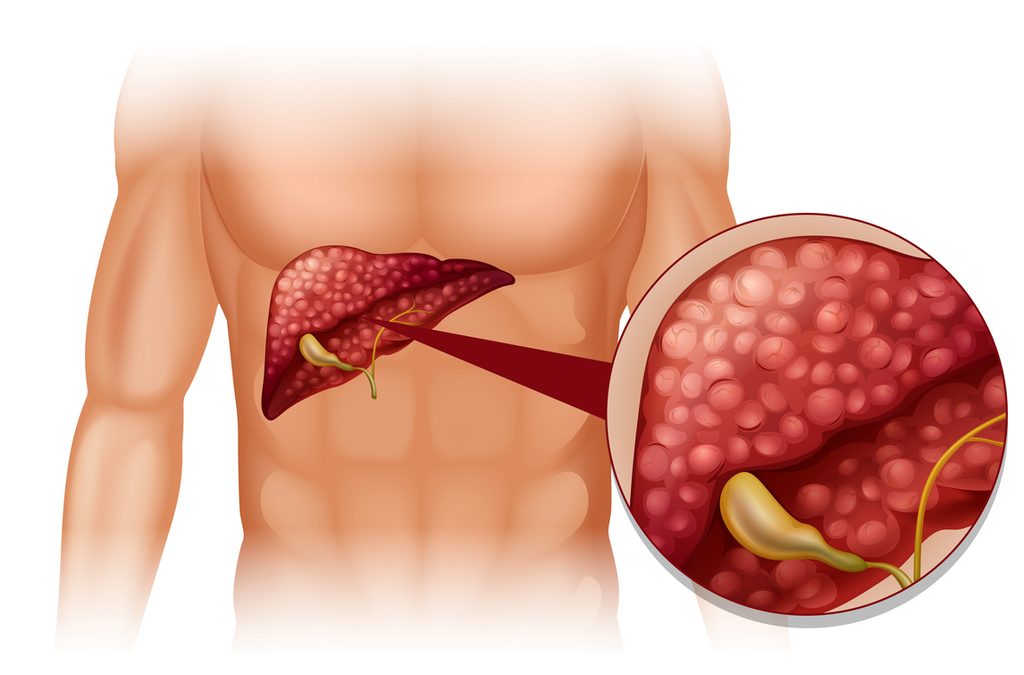
Liver and kidney diseases, digestive disorders like Crohn’s disease or celiac disease can affect how your body absorbs vitamin D.
6. Aging
As you age, your skin becomes less efficient at making vitamin D. Older adults often need supplements to maintain healthy levels.
Symptoms of Vitamin D Deficiency
Some people have no symptoms at all. But many experience:
- Bone pain
- Muscle weakness
- Fatigue or low energy
- Mood swings or depression
- Hair loss
- Frequent infections
- Slow wound healing
In children, it can cause delayed growth or rickets (soft bones).
If you notice any of these symptoms, it’s a good idea to get your vitamin D levels checked.
Who is at Higher Risk?
Vitamin D deficiency is more common in:
- Women, especially after menopause
- Older adults
- People with darker skin (melanin reduces vitamin D production)
- People living in colder climates
- Office workers and students who spend long hours indoors
- Individuals who cover most of their skin for religious or cultural reasons
How to Check Vitamin D Levels
A simple blood test called the 25-hydroxy vitamin D test can tell if your levels are too low.
- Normal level: 30 to 100 ng/mL
- Insufficient: 20 to 29 ng/mL
- Deficient: Less than 20 ng/mL
If your levels are low, your doctor may recommend lifestyle changes or supplements.
Lifestyle Changes to Prevent Vitamin D Deficiency
1. Get Some Sunlight
Aim for 10 to 30 minutes of sun exposure on your face, arms, or legs, 3 to 4 times a week. Early morning sunlight is best and safer for your skin.
2. Eat Vitamin D-Rich Foods
Include these in your diet:
- Fatty fish like salmon and tuna
- Egg yolks
- Mushrooms
- Fortified milk, orange juice, and cereals
- Cheese
3. Take Supplements (if needed)
If you can’t get enough from sunlight or food, vitamin D3 supplements can help. Always talk to a doctor before starting any supplement.
4. Stay Physically Active
Exercise supports bone health and helps your body use nutrients more efficiently. Simple walking, yoga, or stretching is a good start.
5. Monitor Health with Regular Checkups
Routine health checkups help catch deficiencies early before they cause serious problems.
How Much Vitamin D Do You Need?
Here’s a general guide:
- Infants (0–12 months): 400 IU/day
- Children (1–18 years): 600–1,000 IU/day
- Adults (19–70 years): 600–800 IU/day
- Older Adults (70+): 800–1,000 IU/day
- Pregnant or breastfeeding women: 600–800 IU/day
Your doctor may recommend higher doses if you’re deficient.
Complications of Long-Term Deficiency
If not treated, vitamin D deficiency can lead to:
- Osteoporosis (weak bones)
- Frequent fractures
- Rickets in children
- Increased risk of infections
- Autoimmune diseases
- Mood disorders like anxiety or depression
It may also increase the risk of heart disease, diabetes, and even some cancers.
Vitamin D and Women’s Health
For women, especially during pregnancy, menopause, or after 40, vitamin D is crucial. It supports:
- Healthy bones and teeth
- Hormonal balance
- Immune strength
- Mood stability
Women with low vitamin D levels may experience more fatigue, joint pain, and mood swings.
Why Vitamin D Deficiency Is a Modern Lifestyle Disorder
Today’s lifestyle has made Vitamin D deficiency a modern lifestyle disorder. We live indoors, eat processed food, work long hours at desks, and forget to care for our basic health needs.
Changing your daily habits—even small changes—can protect you from this silent issue.
Final Thoughts
Vitamin D deficiency is silent, common, and highly manageable. As a general physician, I’ve seen many women improve their health simply by being aware and taking action early.
Don’t wait for severe symptoms. Pay attention to your body, get routine blood tests, and follow a healthy lifestyle. Sunshine, the right food, and a little self-care go a long way.
If you’re unsure where to start, speak to a trusted doctor. With early detection and guidance, you can beat this modern lifestyle disorder and feel healthier every day.