Fatty liver is a common condition where fat builds up in the liver cells. While a small amount of fat is normal, too much can lead to liver damage over time. Many people don’t know they have a fatty liver because it often shows no clear symptoms in the early stages. However, if left untreated, it can lead to serious problems like liver inflammation, scarring (cirrhosis), or even liver failure.
There are two main types of fatty liver: alcoholic fatty liver disease (AFLD), caused by heavy alcohol use, and non-alcoholic fatty liver disease (NAFLD), which is not linked to alcohol and is more common. Poor diet, obesity, diabetes, and lack of exercise are major causes.
The good news is that with early detection and healthy lifestyle changes, fatty liver can often be reversed. In this blog, we’ll explain its causes, symptoms, and simple steps you can take to improve liver health.
What Is Fatty Liver?
Fatty liver, also known as hepatic steatosis, occurs when fat makes up more than 5% to 10% of your liver’s weight. This extra fat can cause the liver to become inflamed and damaged over time.
There are two main types of fatty liver:
- Non-Alcoholic Fatty Liver Disease (NAFLD):
This type is not related to alcohol use. It is often linked to obesity, diabetes, high cholesterol, or poor diet. It is the most common type and can affect both adults and children. - Alcoholic Fatty Liver Disease:
This type is caused by heavy alcohol use. Drinking too much alcohol over time can lead to fat buildup in the liver, inflammation, and even scarring.
Both types can lead to serious problems like liver cirrhosis or liver failure if not treated early. That’s why it’s important to understand the cause and take steps to protect your liver.
Fatty Liver Causes
Let’s look at some common causes of fatty liver:
1. Overeating and Obesity
Too many calories, especially from sugar and fats, can cause fat to collect in the liver. Obesity is the leading cause of fatty liver disease.
2. Insulin Resistance
People with insulin resistance or type 2 diabetes often have fatty liver. This condition makes it hard for the body to use insulin properly, which leads to fat buildup in the liver.
3. High Cholesterol and Triglycerides
If your cholesterol and triglyceride levels are too high, your liver may start storing more fat than it should.
4. Alcohol Use
Heavy drinking damages liver cells and leads to alcoholic fatty liver disease. Even moderate drinking can affect some people.
5. Rapid Weight Loss
Sudden or extreme weight loss can shock the body and cause fat to build up in the liver temporarily.
6. Poor Diet
Eating too much processed food, sugar, and unhealthy fats increases your risk of fatty liver.
Fatty Liver Symptoms
Fatty liver often has no symptoms in the early stages. Many people don’t even know they have it. However, as the disease progresses, you may notice these fatty liver symptoms:
- Feeling tired all the time
- Discomfort or pain in the upper right side of the belly
- Sudden weight loss or loss of appetite
- Weakness or confusion (in later stages)
- Swelling in the abdomen or legs
- Yellowing of the skin and eyes (jaundice)
If you notice any of these symptoms of fatty liver, it’s important to see a doctor.
How Is Fatty Liver Diagnosed?
Since fatty liver usually doesn’t cause symptoms early on, it’s often found during routine blood tests or imaging tests. Your doctor might order:
- Liver Function Tests (to check liver enzymes)
- Ultrasound or CT scan
- FibroScan (to measure liver stiffness)
- Liver Biopsy (in severe cases)
Regular checkups can help detect fatty liver early.
Lifestyle Changes for Fatty Liver
Fatty liver can be managed—and often reversed—by making lifestyle changes. Here are some simple steps:
1. Lose Weight Slowly
Losing even 5–10% of your body weight can reduce liver fat. But avoid crash diets. Slow, steady weight loss is healthier for your liver.
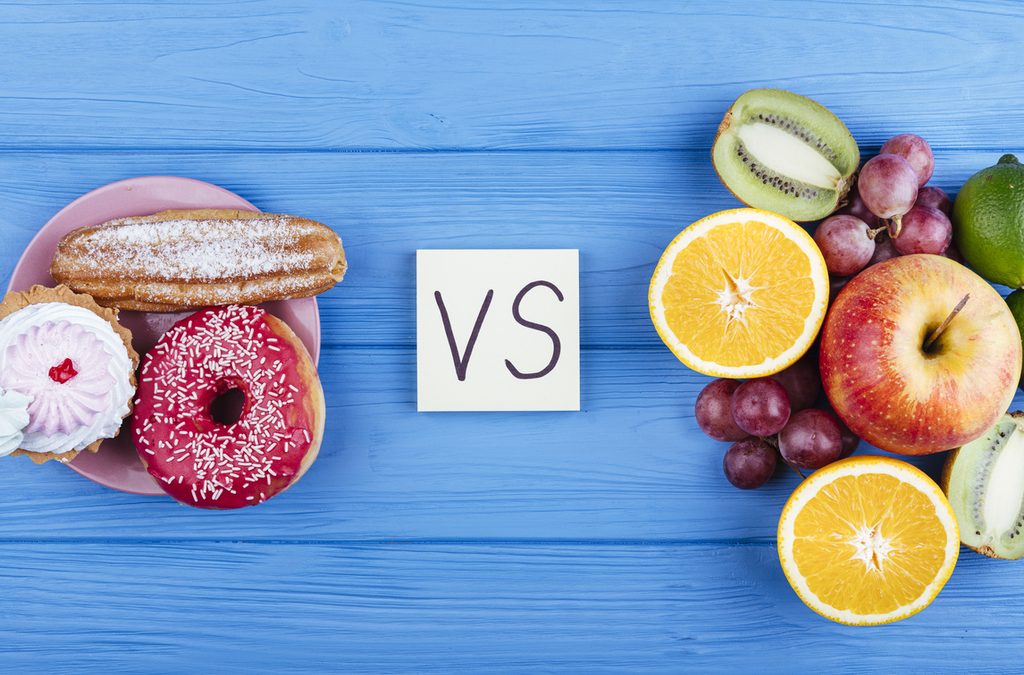
2. Eat a Liver-Friendly Diet
Choose foods that support liver health:
- Fresh fruits and vegetables
- Whole grains like brown rice and oats
- Lean proteins such as fish, eggs, tofu, and chicken
- Healthy fats from nuts, seeds, olive oil, and avocados
Avoid:
- Fried foods
- Sugary drinks and desserts
- Processed and packaged snacks
- Red meat in excess
3. Exercise Regularly
Aim for at least 30 minutes of physical activity five days a week. Walking, yoga, swimming, and cycling are great ways to stay active.
4. Avoid Alcohol
If you have fatty liver, it’s best to stop drinking alcohol completely—even small amounts can make it worse.
5. Manage Other Health Conditions
Control diabetes, cholesterol, and high blood pressure with the help of your doctor. This lowers the strain on your liver.
6. Drink More Water
Staying hydrated supports liver function and helps remove toxins from your body.
7. Get Enough Sleep
Lack of sleep affects metabolism and insulin resistance, which can increase liver fat.
8. Avoid Unnecessary Medications
Some medicines can harm the liver. Always consult your doctor before taking new drugs or supplements.
Can Fatty Liver Be Reversed?
Yes. In many cases, fatty liver is reversible—especially in the early stages. Making lifestyle changes and sticking to them can reduce liver fat and prevent further damage.
But if fatty liver turns into non-alcoholic steatohepatitis (NASH) or liver fibrosis, it can be harder to treat. That’s why early diagnosis is key.
Foods That Help with Fatty Liver
Certain foods are especially good for liver health:
- Green leafy vegetables (spinach, kale)
- Fatty fish (salmon, sardines) for omega-3 fats
- Coffee (in moderation, helps reduce liver inflammation)
- Garlic (may reduce liver fat)
- Green tea (full of antioxidants)
- Turmeric (anti-inflammatory properties)
- Walnuts and almonds (healthy fats)
When to See a Doctor
If you have risk factors like obesity, diabetes, or high cholesterol—or if you’re feeling tired or bloated often—it’s a good idea to get your liver checked.
Early detection means you can take action before the condition gets worse.
Final Thoughts
Fatty liver is a serious but manageable condition. The best approach is prevention—through smart eating, regular exercise, and routine checkups. If caught early, simple lifestyle changes for fatty liver can reverse the condition and improve your overall health.
If you think you may be at risk or have experienced any fatty liver symptoms, don’t wait. Reach out to a healthcare provider like Dr. Saumya Rathi for the right diagnosis, support, and advice tailored to your needs.
Take the first step today toward a healthier liver and a healthier life.